

Star Wars On Location
How Film and TV Productions Can Improve Outcomes for
Communities and Nature
Rebecca Harrison
Summary
With biodiversity loss widespread across Britain, it’s critical that the screen industries adopt good practice to protect nature and establish good relationships with local communities during location shoots. To do this, we need to look beyond carbon emissions data.
The case study includes a survey of people living, working, or pursuing leisure activities near Star Wars location shoots, and interviews with both ecologists and industry figures who have knowledge of the challenges faced on set.
Key findings
- Knowledge of location shoot activity is often poor among local communities, with a lack of communication from land owners/managers and production teams leading to confusion.
- The work of a community liaison officer at a location used during Andor’s production in 2020 led to significant improvements in local people’s experiences of the shoot.
- The scale and scope of nature protection laws across the three British nations are confusing, and current industry guidelines could go much further to establish good practice. More can be done to prioritise wild lives and their needs.
There are 6 EIF project communities and nature recommendations:
1. create clear, evidence-based good-practice guidelines for production teams.
2. provide resources for land owners and land/wildlife management teams.
3. introduce specific community and wildlife training across all teams, and consider new liaison roles.
4. share timely updates and records of all location shoots with the public.
5. introduce nature policies that are specific to film & TV productions.
6. prioritise funding for projects that evidence provision for nature protections and/or offer funding for this purpose.
Jump to:
Why Communities and Nature?
This case study considers the material—and potential—impacts of location shoots on human and wild life communities in Britain, using evidence gathered about Star Wars film and TV productions.[i] While it’s a Hollywood-funded franchise owned by a US-based corporation, most Star Wars live-action studio work, and a great deal of location shoots, have taken place across the three British nations (Scotland, Wales, England).
Initially, the Environmental Impact of Filmmaking project focused on calculating, and helping production teams reduce, greenhouse-gas emissions in four areas: prop and costume fabrication, digital animation, and merchandising.
Greenhouse-gas emissions, usually expressed as CO2e (which tells us the global warming potential of the gases emitted, expressed as an equivalent mass of carbon dioxide), contribute to global heating, and are the focus of many efforts to curb human contributions to climate change.
A 2020 industry report, for example, found that the average tentpole production filmed on location in the UK generated 2840 tonnes of CO2e. Transport and energy use on an average day’s filming totalled more than a typical person’s carbon footprint in Britain for an entire year.[ii] There are industry-wide efforts to lessen the impacts of the big-three greenhouse-gas emitters on location – transport, energy, and catering. Sustainability consultants and green runners on film and TV productions are working hard to provide battery-powered light rigs, non-diesel generators, vegan food, and so on.
But greenhouse gas emissions don’t tell us the full story about the effects of film and TV production, which can have many (often unforeseen) impacts on local communities and nature. The context in which the screen industries operate is important, too.
Since 1970, species abundance has declined in the UK by 19%.[iii] Globally, the UK ranks in the bottom 10% for the preservation of biodiversity; together, the four nations are the most nature-depleted of the G7 group.[iv] Through ongoing projects of enclosure, private land owners have destroyed 49,000 miles of our public rights of way, and just 8% of countryside is accessible to us in England and Wales.[v]
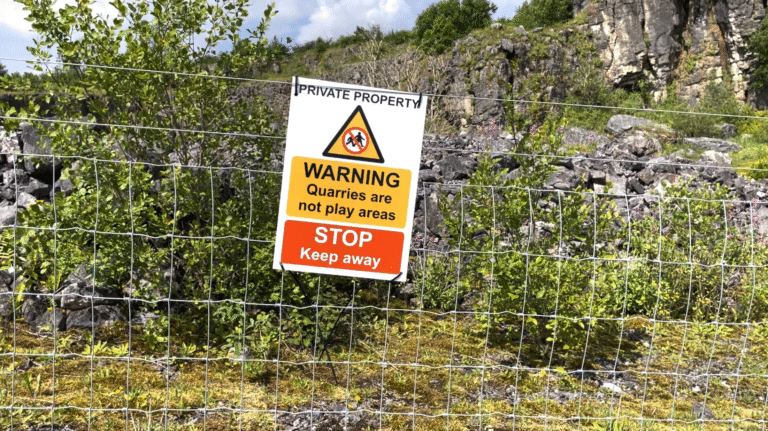
For the fourth EIF case study, I’ve taken a more holistic approach to thinking about location shoots, which looks beyond emissions calculations. My aim has been to prioritise human and wild lives (that is, birds, mammals, fungi, fish, mosses, trees, grasses, insects, and so on) to help us broaden our conceptualisation of the ‘environment,’ and take action to mitigate protect nature.
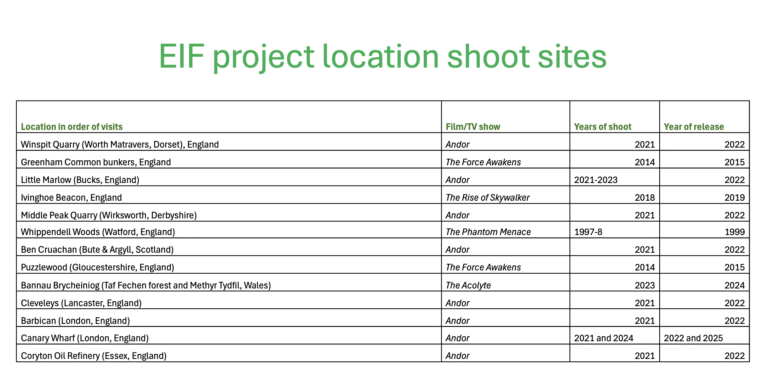
Doing the Research
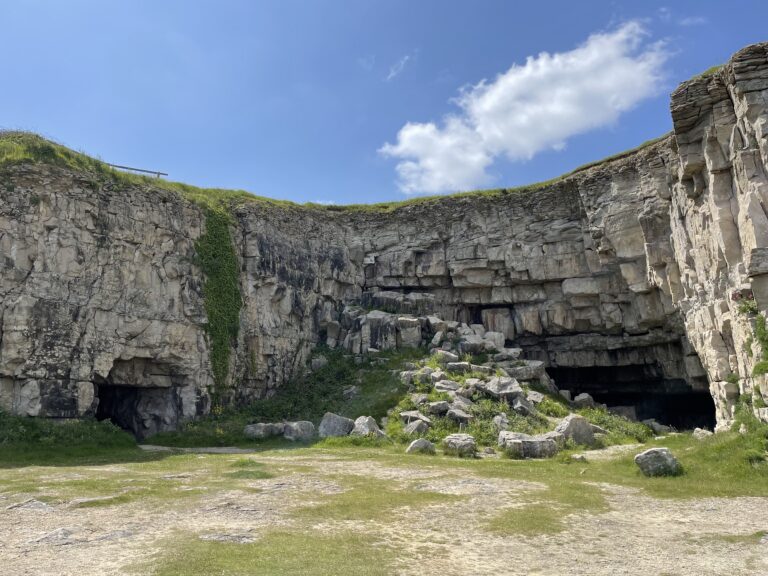
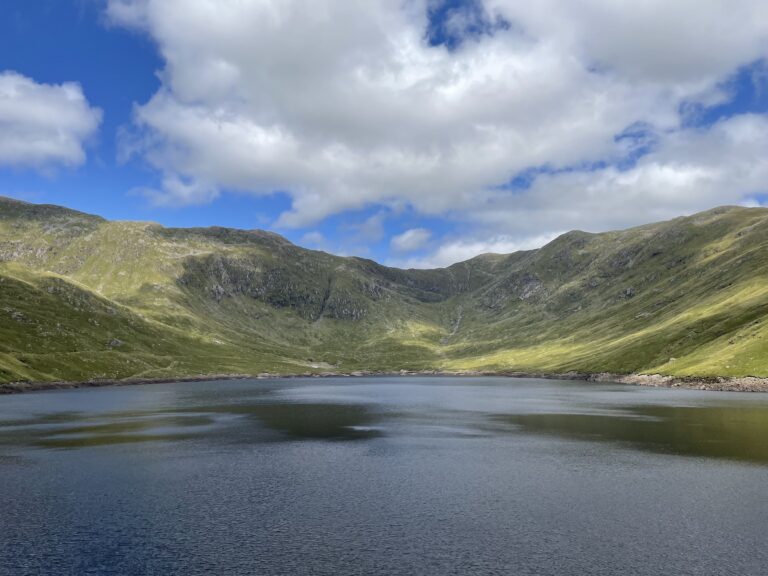
Between May and September 2024, I travelled across Scotland, Wales, and England to visit 13 sites where Star Wars locations shoots have taken place (crews filmed at the sites 1998-2024). There’s Ben Cruachan in the Scottish Highlands, which featured in the Andor series (2021), and the Taf Fechan forest in Wales (Ashoka, 2023). In England, there are locations such as Whippendell Woods (The Phantom Menace, 1999), Coryton Oil Refinery, and Winspit Quarry.
I selected the locations based on their geographical spread across Britain, and the different kinds of land that any shoot would have enclosed during filming (such as industrial, post-industrial, cultural/heritage, retail, and countryside).
At each site, I walked as much of the area as possible, and gathered my own video footage (some of my experiences will be detailed in a forthcoming book; the footage is for a work-in-progress short film). At 10 of the locations, my partner accompanied me to help navigate, and to ensure that I was safe. Not every site offered straightforward public access, and sometimes terrain and various forms of gatekeeping proved challenging to manage.
I spoke to local people at every opportunity, including workers at quarries and in cafes, and those engaging in leisure activities such as dog walking.
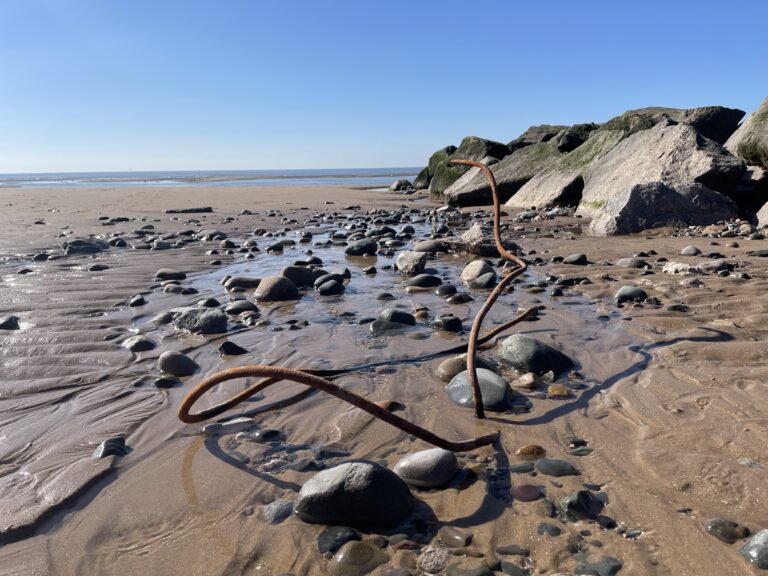
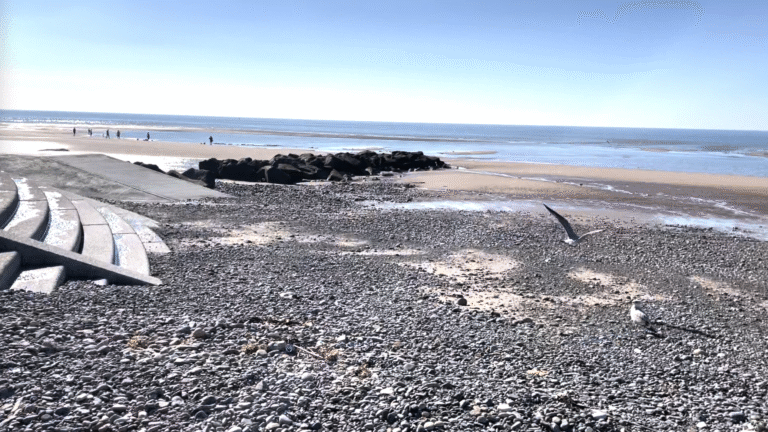
To support my work with communities, I shared two online public surveys for people who lived, worked, or engaged in recreational activities near a Star Wars location shoot. Participants could choose between a short, multiple choice questionnaire, and an extended survey featuring more detailed questions about decision-making, communications with decision-makers, temporary or longer-term changes in the area, and their thoughts and feelings about the shoots.
The surveys appeared on the EIF project website, and were shared widely by BBC regional and other local news providers on the radio, and online. I asked some local and parish councils to share the surveys, with mixed success.
In total, between May 2024 and May 2025, there were 23 short survey responses, and five extended ones, which together refer to nine of my 13 selected locations.
I have also interviewed, or spoken informally, with ecologists, location managers, and others working in production roles to better understand location-shoot processes, and the pressures that the crew face on set.
Communities
Responses from people living, working, or participating in leisure activities near Star Wars shoots identity a diverse range of issues for discussion. For the purposes of this case study, I’m going to focus on communication between production decisionmakers (including crew, local councils, etc.), and local communities.
In response to the short surveys, 14 people reported positive outcomes following Star Wars shoots, most of which related to increased tourism. Four noticed negative impacts, citing the effects on nature and wildlife, local amenities, and transport as causes for concern. Obviously, extrapolating arguments from such a small sample is challenging. It seems, however, that despite some problems with noise, light, and traffic pollution, most respondents did not experience major issues as a result of Star Wars location shoots.
It’s unclear, though, how lack of knowledge about the shoots might have affected people’s responses, especially in the absence of any clear communications from landowners/land managers or franchise representatives about what was happening in the area.
For example, a resident who runs a bed and breakfast in Dalmally, opposite the site used to house the Andor crew when filming at Ben Cruachan, only found out about the shoot ‘[w]hen a team arrived to set up the camp in the summer of 2021.’ To me, this sounds like a missed opportunity for the production team to generate income for a local business – and, at the very least, to inform local residents about the activity.
Fortunately, the resident was excited by the shoot, and impressed by the ‘immaculately tidy and free of rubbish’ site at the end of filming. But they would have appreciated ‘MORE information about what was actually happening as there was too much left to gossip.’

Similarly, a resident living near Middle Peak Quarry in Derbyshire (which is owned by Tarmac), only found out that Andor was filming nearby when the production was almost complete. There was ‘no local interaction’ between residents and the production team, other than with ‘over-zealous security’ who tried to ‘stop locals using a footpath that is clearly marked, even when no filming [was] taking place.’
A ranger working on the National Trust Ashridge Estate, which includes Ivinghoe Beacon, also raised the issue of land access in an interview (The Rise of Skywalker team leased the site in 2018). ‘The locals around Ashridge hate filming,’ she said.[vi] ‘Star Wars is the only film that I’ve been involved in […] where they’ve closed all the footpaths.’ ‘[I]f you want to close them, you have to apply to the council […] and it’s apparently incredibly expensive and takes a lot of time and most people don’t worry about it’. When the Star Wars production team blocked off the public rights of way, it ‘caused outrage’ – with people wrongly blaming the National Trust for the loss of land access.
Lack of knowledge about process, then, was a common theme. When asked to identify the factors that decisionmakers would account for when green-lighting a location shoot, 83% of survey participants suggested that monetary reward for a local council was most important. This was followed by economic gain for local businesses at 70%, and environmental concerns at 52%. Expectations that non-monetary factors were involved in planning was low across all nine locations.
Respondents’ understanding of the decision-making process was poor, too: 43% of them named multiple institutions, such as arts organisations, as having power to make decisions about location shoots. In many cases, the institutions identified had no say, which raises questions about the transparency of location shoot organising – and the accountability of landowners and production teams to local people.

Nature
What, I wonder, does it feel like to be a patch of grass covered over by boards and denied life-giving sunlight to enable HGVs to move around a field? How do hedgehogs respond to human presences in their homes, and do centuries of vilification in human culture cause them anxiety? Would skylarks accept a catering tent onsite so long as the food was vegan?
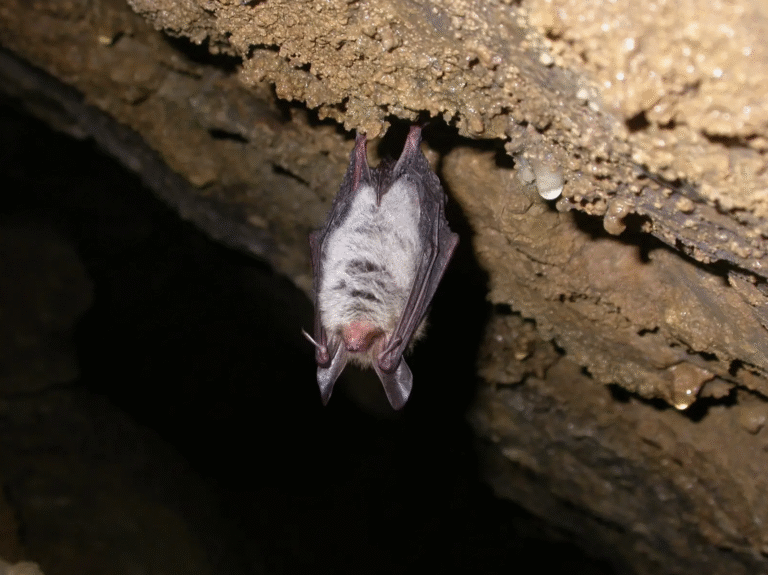
In asking these questions, I’m not seeking to undermine expert knowledge about how film shoots impact on wild lives. At Winspit, for example, an ecologist who supported the Andor production told me that the crew ‘made all the right noises’ about following the rules laid out for them to protect nature. There were no reported concerns about the local bat community’s activity or numbers there following the shoot.
However, questions remain about how the film and television sectors engage with wild lives during shoots, and whether there are non-physical means by which flora and fauna might experience harm. Here, it’s helpful to consider Reingard Spannring’s work on ecological citizenship and animal subjectivities. She outlines how animals can ‘lose their subjectivity and voice in a [dehumanising] process of objectification and commodification,’ which is exacerbated by capitalism and human bureaucracy.[vii]
If, Spannring argues, we are reduced merely to managing our ecological footprint and regarding animal perspectives only within existing, human-centred political agendas, there is no scope for much-needed systemic change. Thus, she advocates treating animals as citizens.[viii] Spannring suggests that wild lives should have ‘sovereign’ control over their territories, and live free from ‘colonization, invasion, exploitation and paternalistic management.’[ix]
How humans would communicate with wild beings to ask their consent to film—and how wild beings with wildly different needs from one another would come to agreement—is beyond the scope of this study. Nevertheless, giving more thought to the wild lives that are disturbed when we make films and TV shows is an important exercise.
For even species recognised by the UK governments and their agencies as ‘red’ or ‘amber’ list (that is, vulnerable, critically endangered, or near extinction) can be affected by location shoots, and many species are barely protected at all.[x] Goldfinches, redpolls, linnets, and skylarks, who all dwell at Star Wars location sites, are on the red list, and wrens are ‘amber’. At Ivinghoe Beacon, the National Trust ranger told me, the ‘floristically rich’ short grasslands are home to orchids and endangered meadow pipets, while the woodlands are inhabited by different species of red and amber-list bats.[xi]
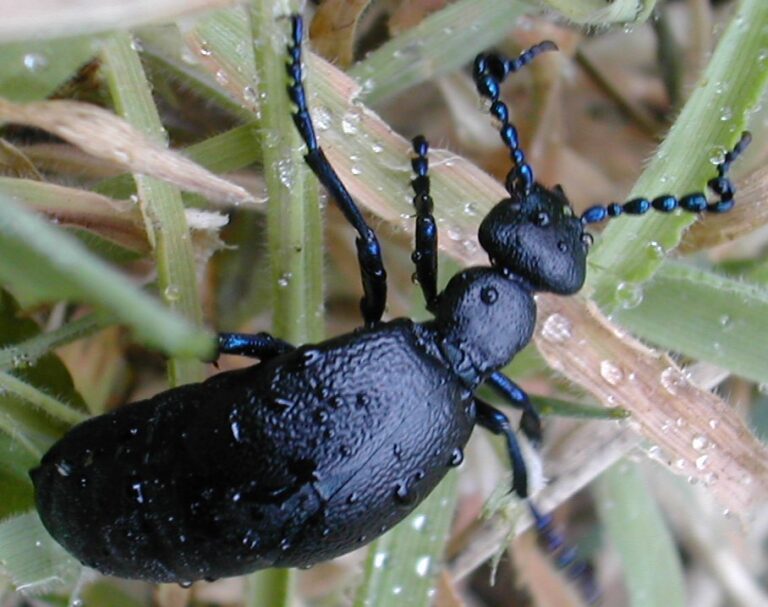
According to the 2022 Cruachan Power Station Biodiversity Survey, the site features some of ‘the finest old Sessile Oak woodlands in the UK.’[xii] There are 54 red or amber list bird species, including golden eagles, mistle thrush, and common linnets. Violet oil-beetles live there; these creatures are ‘considered a priority for conservation in the UK,’ their ‘status’ being ‘Nationally Scarce.’[xiii] The area is also home to palmate newts, and red list mammals such as field voles, pine martens, red squirrels, and otters.
For wild lives that are not on red or amber lists, do not live at Sites of Special Scientific Interest (so-called ‘triple-S-Is’) or in Special Conservation Areas, and do not have European Protection Species status, there is very little enforced legislation to account for their needs at all. Private landowners are, of course, meant to ensure that nature protection laws are followed on their land. However, governance structures in this area are unhelpfully complicated, and there are no public records of film and television location shoots available for auditing.
In terms of legislation, there is some UK-wide regulation (for instance, pertaining to European Protected Species), some specific to each of the four nations, and some applying only in England and Wales. In the three nations pertinent to this study, responsibility for nature at government level is devolved; there is NatureScot, Natural Resources Wales, and Natural England. Each has different guidelines, licensing, auditing, reporting, and recording structures.
There is also the UK Biodiversity Action Plan (UK BAP) and a Scottish Biodiversity Strategy (SBS). There are Species of Principle Importance in Scotland under the Nature Conservation Act 2004, in Wales under the Environment Act 2016, and the Natural Environment and Rural Communities (NERC) Act 2006 in England.
There are protected and conservation areas, and Sites of Special Scientific Interest. In some rare cases (as in the semi-permanent Andor set constructed in 2020 in Little Marlow), productions have to seek Town and Country Planning permissions.
Then there’s the Wildlife and Countryside Act 1981 (with rules about land access and footpaths, plus protections for wild birds), Hedgerows Regulation 1997 (which requires local authority consent to remove species-rich hedges), and The Conservation of Habitats and Species Regulations 2017 to comply with.
The spread and scope of relevant legislation alone might counterintuitively limit production teams’ capacity to engage with nature protections. Additionally, as one location manager described to me, crew are often working with outdated information about the sites they lease.[xiv] In one case, she spent the day marking stones with chalk and photographing them so that the rocks could be temporarily moved for filming, and then exactly repositioned. The work was to accommodate a species of snake that a decade-old study had identified as possibly inhabiting the area.
Of course, it is better to be snake-safe than snake-sorry. Having expert, ongoing advice throughout a shoot (such as a recent one she worked on that was home to numerous hives of wild bees) is a ‘nice insurance,’ she says, to keep everyone involved safe. But not all productions want to spend the money to bring in experts; it’s a ‘grey area’ and ‘tricky,’ she tells me, when producers can decide, ‘“We’ll just be careful”, or “we’ll make it work”’ and remain within existing welfare and nature protection regulations.
Existing Good Practice?
In Little Marlow, there was widespread anger about the Andor shoot which Buckinghamshire Council approved at Spade Oak Quarry. ‘The area was designated as a country park after the gravel extraction was complete and [it] was supposed to be returned to pasture land,’ one respondent explained. Numerous locals were concerned about pollution and traffic, and noted that ‘the site would clearly disrupt the local wild life.’ But the Council’s attitude was ‘grit your teeth and get on with it.’ In the face of strong opposition to the shoot, Lucasfilm appointed a community liaison officer, after which, said one resident, ‘it all rather changed and for the better.’
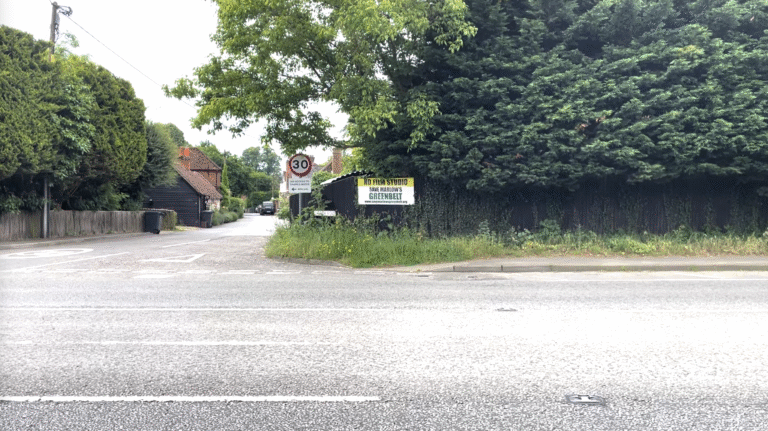
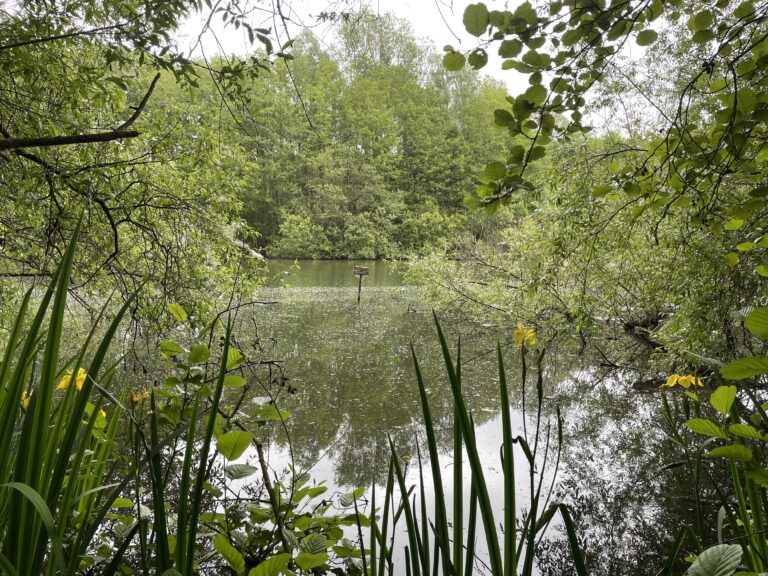
The officer listened to residents, made demonstrable efforts to mitigate the harms they outlined, and invited people to look around the set after the shoot. Similarly, the location manager interviewed for the EIF project found that ‘spreading […] material gain amongst people who don’t feel the effect from filming fees, is a really powerful tool […] And you know, helping people feel like they’re part of things.’ She found face-to-face discussions, sharing information in local Facebook groups and ensuring that the crew used local hotels and amenities were all important aspects of community engagement.[xv]
Standardised inclusion of community liaisons on all location shoots, with input from health & safety and sustainability officers, would be a positive step to improve current practice (although as the same location manager notes, they have to be heard and their advice acted on, which is not always the case in on-set hierarchies). People deserve to know how land is being used around them and have clear means by which to hold landowners, and production teams, accountable for any perceived problems.
In terms of nature protections, there is a short, introductory rubric available to help crews make sense of their responsibilities to wild lives.[xvi] While the resource is welcome, the document suggests mostly minor mitigations to prevent the worst-case destruction of eco-systems. (The publisher possibly has to take care not to scare off studios or broadcasters, many of whom fund its ongoing activities.)
With regard to vehicles and structures, the guidelines suggest reducing impact on non-protected areas of meadowland and coastline, reducing vehicle access across ‘sensitive ground,’ and working with ‘fixers’ who have local knowledge.[xvii] Meanwhile teams should ‘[b]e aware of any vulnerable species present and likely effects upon them.’[xviii]
But filmmakers could go further than awareness, and avoid disturbing wild lives where possible altogether. They could avoid disturbing sensitive areas, and work closely work local communities, as well as ecologists, to better understand how shoots can adapt to suit the environment – rather than adapting the environment, and all the wild lives living in it, to the shoot.
EIF project recommendations
Clearly, as a bare minimum, local landowners and councils should be doing more to inform communities about filming activity in advance of shoots, and providing evidence of all environmental factors that have been accounted for and mitigated. Inviting collaboration from local groups, and involving residents in plans via a designated location-shoot community officer, seems like a basic ask in the name of ethical practice (and there’s evidence in the survey responses to suggest it makes a positive difference, too).
With nature loss negatively impacting on people, and biodiversity declining across Britain at an alarming rate (in real terms: human activity is killing the islands’ animals and plants), we urgently need systemic political and cultural change at government level that prioritises wild lives.
In the meantime, film and TV production teams can do their bit to improve practices across the sector. Within current systems of power, public bodies such as Nature Scot, Natural Resources Wales, and Natural England should have greater resourcing to protect our remaining natural and wild environments while supporting creative practices where possible.
To this end, there are 6 EIF project community and nature recommendations:
1. Create clear, evidence-based good-practice guidelines for production teams.
Guidelines should be provided to all members of on-location production teams outlining good practice (on top of minimum legal requirements), with an accessible online forum for knowledge-sharing and asking questions of relevant experts.
2. Provide resources for land owners and land/wildlife management teams.
Land-management and wildlife-protection teams (including anyone renting out land as a private individual) should have access to resources that outline expected standards of behaviour from film and television crews, and detail the kinds of equipment typically used on shoots (along with anticipated environmental impacts).
3. Introduce specific community and wildlife training across all teams, and consider new liaison roles.
Community- and wildlife-liaison training should be undertaken by all crew who work on location shoots, so that knowledge and skills are shared by the whole team. Tentpole productions should consider introducing specific community and wildlife coordinators to facilitate the shoot; these crew members might work with sustainability coordinators/consultants and health & safety teams. Coordinators must have authority to influence decision-making among heads of department.
4. Share timely updates and records of all location shoots with the public.
Governments and nature agencies across Scotland, Wales, and England should introduce a public database of all location shoots (requiring varying levels of detail at different production stages to protect crew), to include information such as: the site used, filming dates, ecological and other relevant surveys, evidence of community engagement and how the crew addressed local concerns, likely and actual impacts on nature, and tourism management strategies.
5. Introduce nature policies that are specific to film & TV productions.
We need policies—local, national, and UK-wide—that recognise the specific harms that location shoots potentially do to wild lives, and seek to prevent them.
6. Prioritise funding for projects that evidence provision for nature protections and/or offer funding for this purpose.
Funders should prioritise projects with strong community-engagement and nature-protection plans in place — and audit for evidence of implementation during the shoot. For lower-budget productions, financial resources should be on offer to support community- and nature-protection planning.
Ultimately, we need to take bolder action to transform how film and TV productions engage with human and wild communities, and negotiate uses of land. In the meantime, more robust policymaking and auditing of location shoot activity could make a big difference to natures that we, as humans living and working in Britain, have contributed to making ever smaller.
QUESTIONS OR COLLABORATIONS?
If you or your organisation are interested in discussing EIF project findings in more detail, or would like to collaborate on any projects that could make use of the 6 EIF project community and nature recommendations, please use the Contact form.
Notes
[i] The project has three prop/costume case studies: the physical and CGI Artoo comparison; the ‘Throne Room Dress’ from 1999’s The Phantom Menace; and an examination of both Obi-Wan Kenobi’s lightsaber from A New Hope and a contemporary lightsaber toy. For more information, see Rebecca Harrison, ‘Environmental Impact of Filmmaking project,’ EIF project, 2024. Available at https://eifproject.com/.
[ii] BAFTA albert, BFI, and Arup, A Screen New Deal: A Route Map to Sustainable Film Production, BFI, 2020, pp. 6 and 12. BAFTA is the British Association of Film and Television Arts and albert is its sustainability consultancy, which is responsible for providing industry-standard carbon emissions data, and certifying UK productions according to their environmental credentials. The BFI is the British Film Institute, a government-mandated and funded organisation with responsibility for both promoting UK screen industries and preserving screen culture heritage.
[iii] Burns, F, Mordue, S, al Fulaij, N, Boersch-Supan, PH, Boswell, J, Boyd, RJ, Bradfer-Lawrence, T, de Ornellas, P, de Palma, A, de Zylva, P, Dennis, EB, Foster, S, Gilbert, G, Halliwell, L, Hawkins, K, Haysom, KA, Holland, MM, Hughes, J, Jackson, AC, Mancini, F, Mathews, F, McQuatters-Gollop, A, Noble, DG, O’Brien, D, Pescott, OL, Purvis, A, Simkin, J, Smith, A, Stanbury, AJ, Villemot, J, Walker, KJ, Walton, P, Webb, TJ, Williams, J, Wilson, R, Gregory, RD, State of Nature 2023, The State of Nature Partnership, 2023, www.stateofnature.org.uk.
[iv] Natural History Museum, “Biodiversity Intactness Index,” dataset, 2021, https://data.nhm.ac.uk/dataset/bii-bte.
[v] Right to Roam, “What We’re Campaigning For,” Right to Roam, 2025, https://www.righttoroam.org.uk/about.
[vi] National Trust Ashridge Estate Ranger, interview with Rebecca Harrison, online, September 24, 2024.
[vii] Reingard Spannring, ‘Ecological Citizenship Education and the Consumption of Animal Subjectivity,’ Education Sciences 41, no. 9 (2019): 1.
[viii] Ibid., 4.
[ix] Ibid., 10.
[x] According to the International Union for Conservation of Nature listing convention.
[xi] National Trust Ashridge Estate Ranger, interview with Rebecca Harrison, online, September 24, 2024.
[xii] Blue Leaf Nature, Cruachan Power Station Biodiversity Survey 2022, 2022, 6.
[xiii] Ibid., 23.
[xiv] Location manager, interview with Rebecca Harrison, online, March 21, 2025.
[xv] Ibid.
[xvi] BAFTA albert, Biodiversity & the Screen Industries: A Guide for Productions, 2024, https://wearealbert.org/wp-content/uploads/2024/08/BAFTA-albert-biodiversity-guide-for-production.pdf.
[xvii] Ibid. 10.
[xviii] Ibid., 15.